¿Cómo se utilizan las máquinas de impresión digital por inyección de tinta industriales en la impresión de etiquetas y códigos de barras?
February 06, 2026
La impresión de inyección de tinta industrial ofrece soluciones de etiquetas y códigos de barras de alta precisión a través de un máquina de impresión de inyección de tinta industrial Para fabricantes que exigen fiabilidad. La velocidad y la precisión impulsan el etiquetado moderno, donde la integración de datos en tiempo real garantiza que cada producto reciba la información correcta. La impresión digital de etiquetas se adapta rápidamente a las necesidades cambiantes, facilitando flujos de trabajo eficientes en los sectores de alimentación, farmacia, logística y comercio minorista.
Conclusiones clave
La impresión de inyección de tinta industrial ofrece una producción de etiquetas de alta velocidad y alta calidad, lo que la hace ideal para industrias como la alimentaria, la farmacéutica y la logística.
Esta tecnología permite la integración de datos en tiempo real, lo que permite a los fabricantes imprimir información variable como códigos de barras y fechas de vencimiento directamente en los productos.
Las impresoras de etiquetas digitales son fáciles de usar, cuentan con controles intuitivos y software que agilizan el proceso de diseño e impresión.
La selección de tinta es crucial; diferentes tintas funcionan mejor en diversos materiales, lo que garantiza la durabilidad y el cumplimiento de los estándares de la industria.
Invertir en impresoras de inyección de tinta industriales puede reducir los costos a largo plazo al minimizar el desperdicio y eliminar la necesidad de materiales adicionales.
Descripción general de la impresión industrial por inyección de tinta
¿Qué es la impresión por inyección de tinta industrial?
La impresión industrial de inyección de tinta utiliza tecnología digital avanzada para aplicar tinta directamente sobre una amplia gama de materiales. Este proceso se basa en el control preciso de las gotas de tinta, lo que permite obtener imágenes, textos y códigos de alta calidad. Los sistemas de impresión de inyección de tinta industriales funcionan sin contacto físico, lo que los hace adecuados para superficies delicadas o irregulares. Los principios y mecanismos fundamentales de esta tecnología incluyen diversos métodos y tipos de tinta, cada uno diseñado para aplicaciones y necesidades de rendimiento específicas.
Tipo de tecnología
Descripción
Impresión de una sola pasada
El cabezal de impresión permanece fijo mientras el medio se mueve, lo que permite una impresión de alta velocidad en una sola pasada.
Burbuja térmica
Utiliza calor para crear burbujas que rocían tinta sobre el medio.
Piezoeléctrico
Utiliza carga eléctrica para hacer vibrar un cristal, expulsando tinta en cantidades precisas.
Tinta a base de colorante
Los colorantes se disuelven en agua, ideales para impresiones vibrantes diarias.
Tinta a base de pigmentos
Polvos de color finos suspendidos en líquido, resistentes a la luz UV, adecuados para impresiones profesionales.
Tinta ultravioleta (UV)
Combina líquido monómero y polvo de polímero, solidificándose con la exposición a los rayos UV para lograr impresiones duraderas.
Tinta solvente
Utiliza compuestos orgánicos volátiles, se seca rápidamente y se utiliza comúnmente para señalización exterior.
Las soluciones de impresoras de inyección de tinta industriales admiten tintas colorantes y pigmentadas, así como tintas UV y solventes. Estas opciones ofrecen flexibilidad para la impresión digital en diversas industrias.
Diferencias con la impresión tradicional
La impresión digital se distingue de los métodos tradicionales por su flexibilidad e integración inigualables. La impresión tradicional suele requerir planchas o pantallas físicas, lo que limita los cambios de diseño y ralentiza la producción. La impresión industrial de inyección de tinta elimina estas barreras.
La tecnología de inyección de tinta aplica fluidos sin tocar la superficie del producto, lo que permite diversos diseños y reduce el desgaste del equipo.
Los operadores pueden cambiar patrones o diseños instantáneamente, lo que permite realizar tiradas de producción cortas y realizar pruebas rápidas de mercado.
Los sistemas de impresión de inyección de tinta industriales se conectan con los controles de la línea de producción, las redes IoT y el software de planificación de recursos empresariales (ERP). Esta integración permite la monitorización y los ajustes en tiempo real, mejorando así la eficiencia operativa.
La impresión de inyección de tinta permite la aplicación directa sobre diversas superficies, lo que facilita la impresión de datos variables y la personalización. Los fabricantes pueden imprimir códigos de barras, números de lote y gráficos sin detener la línea de producción.
Las soluciones digitales ofrecen velocidad, precisión y adaptabilidad que la impresión tradicional no puede igualar. La impresión industrial de inyección de tinta continúa impulsando la innovación en la producción de etiquetas y códigos de barras.
Tecnologías de impresión digital de etiquetas
Tipos de impresoras de inyección de tinta para etiquetas
La impresión digital de etiquetas se basa en varios tipos de impresoras de inyección de tinta, incluidas las impresora digital industrial de etiquetasCada una diseñada para aplicaciones específicas de etiquetado. Los tipos principales incluyen impresoras de inyección de tinta basadas en colorantes y pigmentos. La siguiente tabla describe sus mecanismos y usos recomendados:
Tipo de impresora
Descripción del mecanismo
Aplicaciones
Impresoras de inyección de tinta a base de colorante
Utilice tintas a base de colorantes que se absorban en el material y produzcan colores vibrantes, pero que sean propensas a mancharse y decolorarse.
Ideal para aplicaciones en interiores y etiquetas premium en productos minoristas como alimentos, bebidas y cosméticos.
Impresoras de inyección de tinta a base de pigmentos
Utilice tintas a base de pigmentos que se adhieren a la superficie y ofrecen durabilidad contra el agua y la luz solar.
Adecuado para aplicaciones industriales y al aire libre, compatible con los estándares GHS y BS 5609.
Las impresoras digitales de etiquetas también incluyen tecnologías de inyección de tinta piezoeléctrica, térmica y continua. Las impresoras de inyección de tinta piezoeléctrica utilizan cargas eléctricas para controlar el flujo de tinta, mientras que las impresoras de inyección de tinta térmica se basan en el calor. Las impresoras de inyección de tinta continua proporcionan un flujo constante de tinta para una producción de alta velocidad. Estas opciones ofrecen a los fabricantes flexibilidad para diferentes necesidades de impresión digital de etiquetas.
Características y resolución del cabezal de impresión
Las impresoras digitales de etiquetas modernas incorporan cabezales de impresión avanzados que ofrecen resultados de alta resolución. Muchas impresoras de inyección de tinta alcanzan hasta 600 ppp, lo que garantiza texto nítido, códigos de barras definidos y gráficos con colores vibrantes. Los cabezales de impresión admiten una amplia gama de espacios de color, lo que permite una correspondencia precisa del color y una imagen de marca uniforme. Los controles táctiles facilitan el ajuste de la configuración y la monitorización de la calidad de impresión en tiempo real. La impresora digital PrintJet CONNECT, por ejemplo, ofrece una pantalla de 7" giratoria 180°, que mejora la accesibilidad y la experiencia del usuario.
Controles y software fáciles de usar
Los sistemas de impresión digital de etiquetas priorizan la facilidad de uso. La mayoría de las impresoras de etiquetas incluyen interfaces intuitivas con pantallas de diseño WYSIWYG y un funcionamiento sencillo con solo apuntar y hacer clic. Los usuarios pueden diseñar etiquetas en cualquier orientación y trabajar con múltiples formatos gráficos, como BMP, EPS y JPEG. Los asistentes de configuración automática y los servidores de color inteligentes automatizan el flujo de trabajo y optimizan la salida de color. Las herramientas de edición avanzadas permiten la aplicación automática de sangrado y la planificación inteligente de carriles de etiquetas.
Las impresoras digitales de etiquetas se integran con bases de datos y controladores de línea de producción. Esta integración reduce los errores de etiquetado, mejora la gestión del inventario y aumenta la velocidad de la línea. El control centralizado simplifica el sistema, haciéndolo más fiable y adaptable a las normativas cambiantes. Las soluciones de impresión digital de etiquetas ayudan a los fabricantes a obtener resultados consistentes y sin errores en cada tirada.
Proceso de impresión de etiquetas y códigos de barras
Flujo de trabajo paso a paso
La impresión digital de etiquetas sigue un proceso estructurado que garantiza la precisión y la eficiencia desde la entrada de datos hasta el producto final. Cada paso es crucial para la producción de códigos de barras y etiquetas de productos de alta calidad para aplicaciones industriales.
Determinar el tipo de código de barras apropiado según los requisitos de la industria y las especificaciones del producto.
Obtenga o genere números de códigos de barras únicos utilizando bases de datos seguras o software de generación de códigos de barras.
Diseñe el diseño de la etiqueta, incorporando códigos de barras, texto, gráficos y datos variables a través del software de impresión digital de etiquetas.
Seleccione la impresora de inyección de tinta adecuada y los materiales de etiquetas compatibles para satisfacer las necesidades de durabilidad y cumplimiento de la aplicación.
Imprima las etiquetas y los códigos de barras, luego pruébelos para comprobar su legibilidad y cumplimiento de los estándares de calidad.
Este flujo de trabajo permite a los fabricantes integrar datos en tiempo real, automatizar la creación de etiquetas y mantener la trazabilidad a lo largo de la cadena de suministro. Los sistemas de impresión digital de etiquetas agilizan el proceso, reduciendo los errores manuales y facilitando entornos de producción de alta velocidad.
Tipos de tinta y compatibilidad de sustratos
La selección de tinta y la compatibilidad del sustrato son esenciales para una impresión digital de etiquetas fiable. La impresión industrial por inyección de tinta ofrece diversos tipos de tinta, cada uno adaptado a materiales y requisitos normativos específicos.
Las tintas a base de agua funcionan mejor en papel sin estucar y superficies porosas. Pueden requerir una imprimación o una capa de acabado para una mayor durabilidad, especialmente en papel estucado.
Las tintas a base de solventes ofrecen una excelente adhesión y un secado rápido en sustratos no porosos, como películas y metales. Estas tintas no son aptas para envases de alimentos a menos que exista una barrera absoluta.
Las tintas de curado UV se pueden imprimir en la mayoría de los tipos de etiquetas, ofreciendo flexibilidad sin agrietarse. Las tintas UV de baja migración están disponibles para envases de alimentos tras la evaluación de conformidad.
Las tintas curables EB utilizan energía de haz de electrones para curar, lo que las hace adecuadas para el envasado de alimentos porque no contienen fotoiniciadores.
Las alternativas ecológicas a base de agua se adhieren a la superficie de la película no porosa y conservan su flexibilidad. Estas tintas pueden utilizarse para envases de alimentos tras superar las pruebas de conformidad.
La cuidadosa combinación de materiales y tintas para etiquetas garantiza la durabilidad y el cumplimiento de normas como UL 969 y BS5609. Los sustratos más comunes incluyen materiales a base de papel, poliéster y polipropileno. La tecnología de impresión por inyección de tinta es compatible con sustratos de papel y sintéticos, lo que permite una impresión digital de etiquetas versátil en diferentes industrias.
Impresión directa sobre productos y embalajes
La impresión industrial por inyección de tinta permite la aplicación directa de códigos de barras, números de lote y fechas de caducidad en productos y envases. Esta capacidad es compatible con una amplia gama de industrias y tipos de envases.
Los fabricantes de alimentos y bebidas utilizan impresoras de inyección de tinta para imprimir fechas de caducidad, códigos de lote y códigos de barras directamente en botellas de plástico y latas de aluminio. Las compañías farmacéuticas recurren a la impresión digital de etiquetas para marcar los números de lote y las fechas de caducidad en viales pequeños y blísteres. Las marcas de cosméticos y cuidado personal imprimen números de serie y códigos de barras en tubos y botellas, incluso en aquellos con acabados brillantes. Los sectores industrial y químico aplican códigos de lote a películas flexibles y bidones metálicos, lo que garantiza su resistencia a condiciones adversas. Los fabricantes de electrónica y automoción imprimen números de pieza y códigos de seguimiento en componentes como PCB y cables.
La tecnología de inyección de tinta continua destaca en entornos de producción de alta velocidad. Ofrece una impresión rápida y fiable en diversos materiales, garantizando que la información crítica permanezca clara y legible. Esta claridad es vital para el cumplimiento normativo, la trazabilidad y la seguridad del consumidor. Las soluciones de impresión digital de etiquetas ofrecen a los fabricantes la flexibilidad de imprimir datos variables directamente en los artículos, lo que facilita flujos de trabajo eficientes y cumple con los requisitos normativos.
Ventajas de las soluciones de impresoras de inyección de tinta industriales
Velocidad y eficiencia
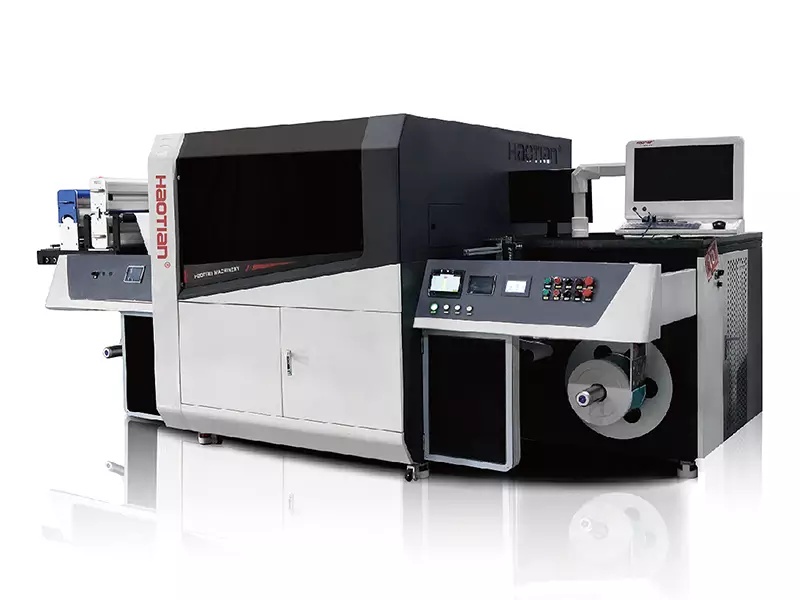
Impresoras de inyección de tinta industriales, especialmente una impresora de códigos de barras de inyección de tinta de alta velocidadOfrecen una velocidad y eficiencia impresionantes en la impresión digital de etiquetas. Los sistemas de inyección de tinta continua alcanzan velocidades de entre 137 y 213 metros por minuto, superando con creces los métodos manuales tradicionales. La tecnología de impresión de una sola pasada permite una producción rápida, reduciendo los plazos de entrega y dando soporte a entornos de alto volumen. Los operadores gestionan la impresión directamente en el lugar, optimizando los flujos de trabajo y minimizando la mano de obra. La impresión rápida marca los productos rápidamente, ahorrando tiempo valioso en las líneas de producción y mejorando la productividad general.
Impresión rápida para producción de gran volumen
Impresión de una sola pasada para una producción rápida
Mano de obra reducida y flujos de trabajo optimizados
Personalización e integración de datos
La impresión digital de etiquetas destaca por su personalización e integración de datos variables. Las impresoras de inyección de tinta industriales integran plantillas de etiquetas con bases de datos, lo que permite cambios dinámicos en el texto, los gráficos y los colores de cada etiqueta. La impresión de datos variables admite etiquetas de código de barras personalizadas, numeración consecutiva e imágenes gráficas a todo color. La integración de datos en tiempo real permite a los fabricantes imprimir números de lote, fechas de caducidad e identificadores únicos bajo demanda. Esta flexibilidad es esencial para adaptarse a la información cambiante de los productos y a los requisitos normativos.
Fusiona plantillas de etiquetas con bases de datos para obtener resultados personalizados
Permite la impresión de datos variables para códigos de barras y gráficos.
Admite la integración de datos en tiempo real para etiquetas personalizadas
Permite la impresión en una sola pasada para diferentes tamaños de lotes.
Calidad de impresión y durabilidad
Las impresoras de inyección de tinta industriales producen resultados de alta calidad de forma constante. Los cabezales de impresión avanzados alcanzan una alta resolución, garantizando detalles finos y vibrantes variaciones de color. Las impresiones de alta calidad se mantienen nítidas y escaneables, cumpliendo con los estrictos estándares de legibilidad de códigos de barras. Las tintas de curado UV se adhieren firmemente a los materiales, creando etiquetas duraderas y resistentes al agua, disolventes, calor y radiación UV. La impresión en una sola pasada mantiene una calidad constante en diversos sustratos, como poliéster, vinilo y poliamida, lo que hace que la impresión digital de etiquetas sea adecuada para entornos hostiles.
Resultados de alta calidad con gran precisión de color y detalles.
Etiquetas duraderas para aplicaciones industriales y exteriores
Rendimiento confiable en fabricación, logística y cumplimiento
Costo-efectividad
La impresión digital de etiquetas ofrece una opción rentable para las empresas que buscan rentabilidad a largo plazo. Si bien las impresoras de inyección de tinta industriales pueden tener costos iniciales más altos, reducen los gastos recurrentes al eliminar la necesidad de etiquetas, cintas y materiales adicionales. La producción bajo demanda minimiza el inventario obsoleto y la sobreproducción. La impresión en una sola pasada y los flujos de trabajo digitales optimizan la asignación de recursos y reducen los errores manuales. La siguiente tabla compara los factores de costo entre las tecnologías de impresión más populares:
Tipo de impresora
Costo inicial
Costos recurrentes
Costos de mantenimiento
Inyección de tinta industrial
Más alto
Más bajo
Moderado
Transferencia térmica
Más bajo
Más alto
Alto
Láser
Más alto
Más alto
Alto
La impresión digital de etiquetas maximiza los recursos, admite la personalización en etapas posteriores y reduce el desperdicio, lo que la convierte en una opción rentable para diversas aplicaciones.
Las impresoras de inyección de tinta industriales facilitan la fabricación, la logística y el cumplimiento normativo al producir etiquetas de identificación duraderas, etiquetas de código de barras precisas y embalajes que cumplen con las normativas para industrias reguladas. Las empresas farmacéuticas utilizan la impresión digital de etiquetas para la serialización, mientras que los proveedores de logística la utilizan para las etiquetas de envío y la gestión de activos.
La impresión industrial de inyección de tinta transforma la producción de etiquetas y códigos de barras al combinar velocidad, precisión y flexibilidad digital. Estos sistemas se integran fácilmente en las líneas de producción y requieren un mantenimiento mínimo, lo que garantiza un funcionamiento fiable. Las impresoras digitales admiten una amplia gama de materiales de embalaje, lo que respalda a las industrias alimentaria, farmacéutica y logística. La automatización y la innovación digital impulsan soluciones de impresión escalables para las necesidades empresariales modernas.
Beneficio ambiental
Descripción
Reducción del consumo de energía
La impresión digital reduce significativamente el consumo de energía.
Uso mínimo de agua
Menos de 2 litros por metro, reduciendo la contaminación.
Menores emisiones de COV
Calidad del aire mejorada con sistemas de inyección de tinta avanzados.
La impresión digital se destaca como la opción preferida por las empresas que buscan soluciones de etiquetas y códigos de barras eficientes, sostenibles y de alta calidad.
Preguntas frecuentes
¿Qué tipos de etiquetas pueden producir las impresoras de inyección de tinta industriales?
Las impresoras de inyección de tinta industriales crean etiquetas de productos, códigos de barras, etiquetas de activos y etiquetas de cumplimiento. Son compatibles con papel y materiales sintéticos. Estas impresoras gestionan requisitos variables de datos, gráficos y color para diversas industrias.
¿Cómo garantizan las impresoras de inyección de tinta la precisión del código de barras?
Las impresoras de inyección de tinta utilizan cabezales de impresión de alta resolución y software avanzado. Verifican la claridad y la alineación del código de barras durante la impresión. Este proceso ayuda a cumplir con los estándares de legibilidad y trazabilidad de la industria.
¿Son las impresoras de inyección de tinta industriales adecuadas para el envasado de alimentos?
Sí. Muchas impresoras de inyección de tinta industriales utilizan tintas aptas para alimentos y cumplen con las normativas de envasado. Imprimen directamente sobre envases, envoltorios y etiquetas de alimentos sin comprometer la seguridad ni la calidad.
¿Qué mantenimiento requieren las impresoras de inyección de tinta industriales?
Los operadores realizan la limpieza rutinaria de los cabezales de impresión y los sistemas de tinta. Las actualizaciones de software y las inspecciones programadas mantienen las impresoras funcionando eficientemente. El mantenimiento regular reduce el tiempo de inactividad y prolonga la vida útil del equipo.
¿Pueden las impresoras de inyección de tinta digitales integrarse con las líneas de producción?
Las impresoras de inyección de tinta digitales se conectan con los controladores y bases de datos de la línea de producción. Esta integración permite la impresión de datos en tiempo real, la generación automática de etiquetas y una gestión fluida del flujo de trabajo.

 es
es 



 Teléfono :
  Correo electrónico :


 RED SOPORTADA